

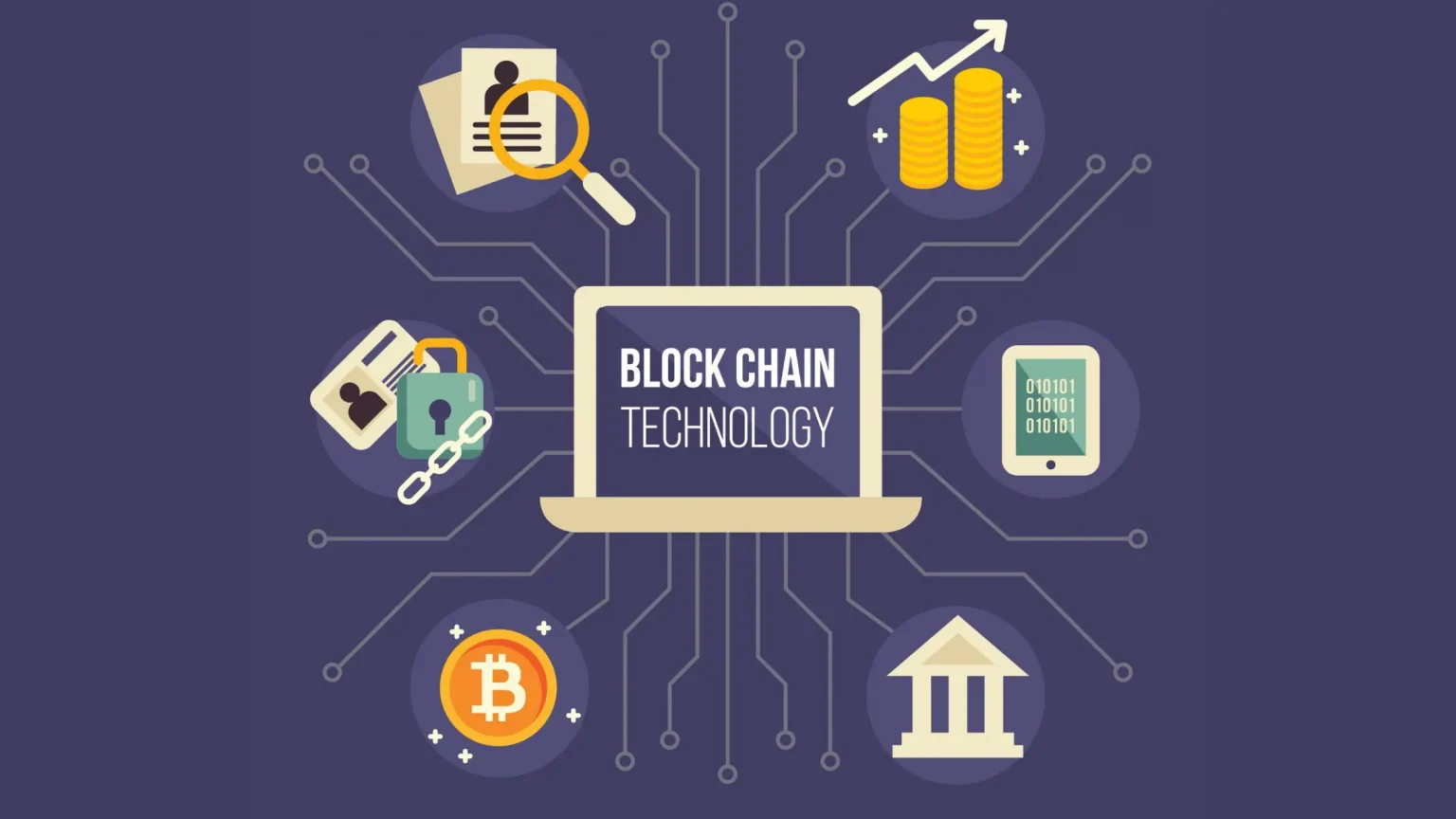
Blockchain technology and the rapidly expanding crypto ecosystem are no longer limited to financial institutions, global tech corporations, or large investment firms. Today, small and medium-sized businesses (SMBs) are increasingly adopting blockchain-powered solutions, driven by innovative crypto startups that are transforming how companies operate, transact, and build trust with customers.
As the digital economy evolves, blockchain technology is opening doors to greater transparency, financial accessibility, operational efficiency, and new business models, offering SMBs unprecedented growth opportunities.
Why Blockchain Matters for SMBs
Traditionally, smaller businesses have faced significant challenges: limited access to financing, high transaction costs, complex cross-border payments, cybersecurity risks, and issues related to trust and data verification. Blockchain directly addresses many of these barriers.
Key advantages include:
- Transparency and Trust
Blockchain creates tamper-proof, verifiable records, ensuring secure transactions and trustworthy data. This is crucial for industries such as logistics, retail, healthcare, manufacturing, and supply chain management. - Reduced Costs and Faster Transactions
By eliminating intermediaries such as banks and payment processors, blockchain can significantly reduce fees and speed up financial operations, especially for cross-border payments. - Enhanced Security
Blockchain’s decentralized structure protects data from fraud, hacking, and unauthorized manipulation, offering more robust cybersecurity than traditional centralized systems. - Access to Global Markets
Crypto payments enable businesses to serve customers worldwide, even in regions with underdeveloped banking systems, expanding market reach and improving financial inclusion.
How Crypto Startups Are Empowering SMBs
A new generation of blockchain and crypto startups is designing solutions specifically aimed at small and medium businesses. Their platforms and tools are reshaping multiple aspects of business operations.
Blockchain-Based Payment Solutions
Startups are offering crypto payment gateways and decentralized financial tools that allow SMBs to accept digital currencies, convert them instantly to fiat if needed, and reduce costly transaction fees. This improves cash flow efficiency and speeds up settlements.
Decentralized Finance (DeFi) for Business Funding
Access to financing has always been a challenge for smaller companies. DeFi platforms are now enabling SMBs to:
- Secure loans without traditional credit checks
- Use digital assets as collateral
- Access peer-to-peer lending communities
- Raise capital through tokenization
This democratizes financing and gives businesses more alternatives to traditional banking systems.
Smart Contracts for Business Operations
Smart contracts automate agreements, ensuring they are executed only when conditions are met. For SMBs, this means:
- Automated invoicing and payments
- Secure partnership agreements
- Guaranteed contract fulfillment
- Reduced need for legal intermediaries
This not only enhances trust but also reduces administrative burdens.
Supply Chain and Inventory Transparency
Blockchain startups are providing platforms that allow businesses to track goods through every stage of production and delivery. This reduces fraud, enhances accountability, improves logistics, and builds customer trust through transparent product histories.
Tokenization and New Business Models
SMBs can now tokenize assets, loyalty programs, or services, opening possibilities such as:
- Digital loyalty tokens
- Customer reward ecosystems
- Tokenized investment shares
- Fractional ownership models
These innovations strengthen customer engagement and create new revenue streams.
Real-World Use Cases
Blockchain and crypto startups are already impacting various industries:
- Retail and E-commerce benefit from crypto-enabled checkout systems and transparent supply chains.
- Manufacturing companies use blockchain to verify materials, track production, and ensure quality control.
- Logistics firms rely on blockchain for shipment tracking and fraud prevention.
- Creative and digital businesses utilize NFTs and tokenization for intellectual property protection and monetization.
- Professional services adopt smart contracts to automate agreements and reduce disputes.
Challenges and Considerations
While opportunities are vast, there are still challenges SMBs must consider:
- Regulatory Uncertainty
Blockchain and crypto regulations vary widely by country and continue to evolve. - Technical Complexity
Businesses need proper understanding, guidance, and training to implement blockchain effectively. - Market Volatility
Cryptocurrency price fluctuations can pose financial risks if unmanaged. - Adoption Barriers
Not all partners, suppliers, or customers are ready to transition to blockchain-driven operations.
Despite these challenges, ongoing innovation and increasing government focus on digital finance are steadily improving the ecosystem.
The Future Outlook
Industry analysts predict that blockchain adoption among small and medium businesses will continue to grow rapidly over the next decade. As startups refine their technologies, platforms will become easier to use, more secure, and more aligned with global regulations.
Blockchain and crypto innovations are not just trends; they are reshaping the economic foundations of trust, finance, and business operations. For SMBs willing to adapt, these technologies offer an opportunity to compete on a global scale, operate more efficiently, and unlock entirely new business possibilities.
In the evolving digital landscape, blockchain and crypto startups are set to become essential partners for small and medium businesses, enabling them to thrive in an increasingly decentralized and technology-driven world.