

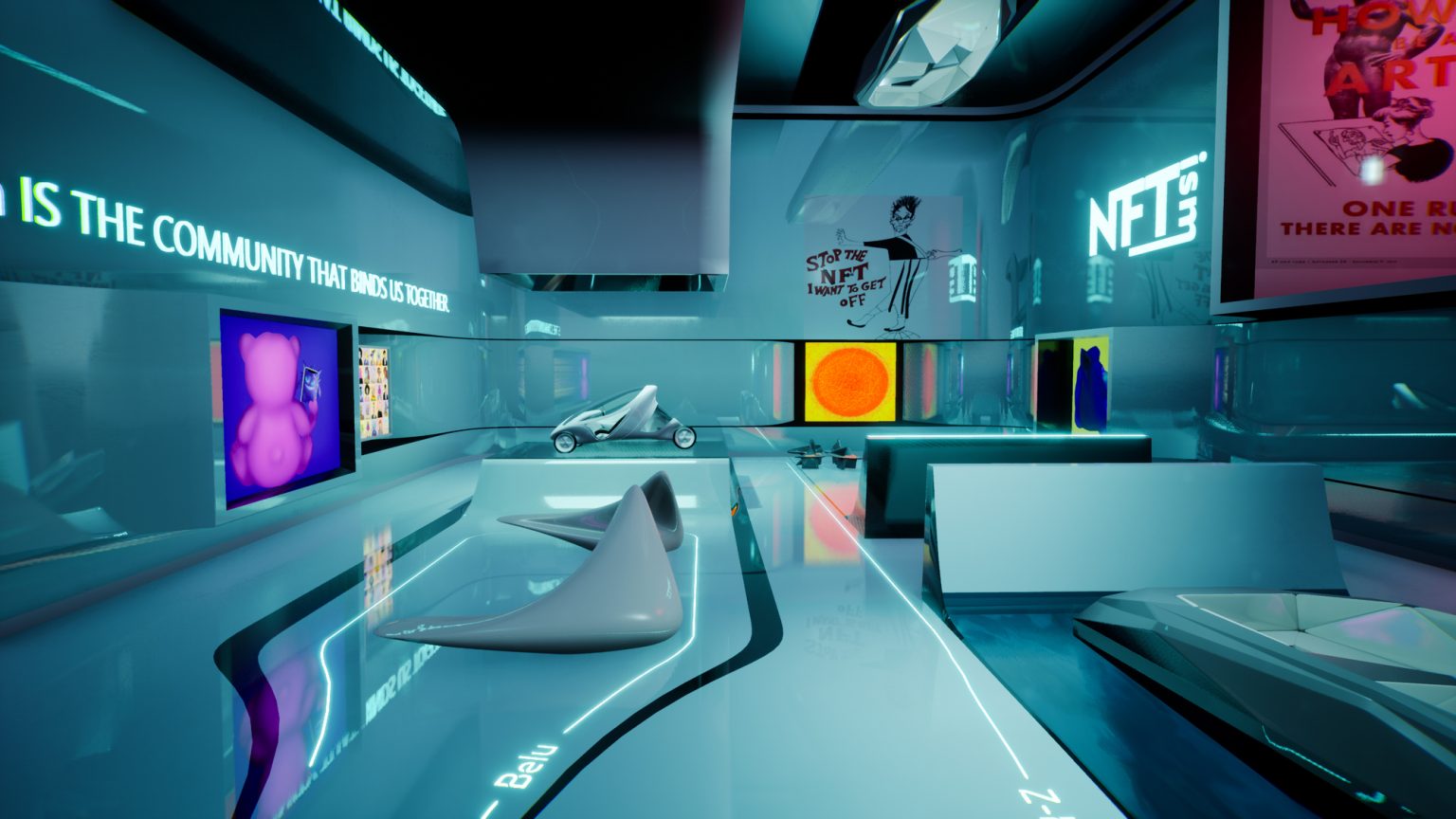
The metaverse is rapidly emerging as the next frontier in digital interaction, and interface design is becoming one of the most critical factors for its adoption. Recently, a world-renowned designer revealed a groundbreaking interface concept aimed at revolutionizing the way users interact with virtual environments, signaling a new era in immersive experiences.
The Designer Behind the Innovation
The designer, celebrated for pioneering intuitive digital experiences across platforms, has spent years exploring how humans engage with digital interfaces. Drawing inspiration from cognitive psychology, motion design, and virtual spatial awareness, the new concept seeks to make the metaverse more accessible, immersive, and user-friendly for both casual users and professionals.
Core Features of the Interface Concept
The newly unveiled interface introduces several innovative features designed to enhance usability and engagement in the metaverse:
- Adaptive Spatial Layouts
The interface dynamically adjusts based on user behavior and context. Navigation elements, menus, and content panels reposition themselves intuitively, reducing clutter while maintaining accessibility in immersive 3D spaces. - Gesture-Based Interaction
Moving beyond traditional controllers and keyboards, the interface leverages hand gestures and motion tracking to perform actions. Users can manipulate objects, navigate menus, and interact with virtual environments using natural movements. - Holographic Layering and Depth Cues
To improve orientation within complex virtual worlds, the design incorporates holographic layering, visual depth cues, and context-sensitive highlights. These elements guide users through tasks and interactions without overwhelming them with information. - Cross-Platform Compatibility
Recognizing the diversity of devices used to access the metaverse—from VR headsets to AR glasses and desktop clients—the interface is designed to scale seamlessly across platforms, maintaining consistency and intuitiveness. - AI-Driven Personalization
The interface employs AI to learn individual user preferences, adapting the layout, visual style, and content presentation. This ensures a personalized and efficient experience tailored to each user’s habits and needs.
Impact on User Experience
This concept addresses one of the biggest challenges in the metaverse: reducing cognitive load and making navigation intuitive. By combining gestural controls, spatial intelligence, and AI personalization, users can interact naturally with digital environments, whether for gaming, professional collaboration, or social engagement.
Industry experts note that this approach could accelerate mainstream adoption of metaverse platforms. A user-friendly interface lowers the barrier to entry, making immersive digital worlds accessible not only to tech-savvy early adopters but also to general audiences.
Implications for Businesses and Developers
The interface concept has significant implications for businesses and developers:
- For developers, it establishes new standards for interaction design, encouraging the creation of experiences that are both immersive and intuitive.
- For brands and marketers, it opens opportunities to deliver interactive content in ways that feel natural rather than forced.
- For enterprises, it provides a framework to implement virtual collaboration and training solutions more effectively, enhancing productivity and engagement.
Future Prospects
The designer plans to collaborate with metaverse platforms and tech companies to test prototypes and refine the concept based on real-world user feedback. As virtual worlds become more sophisticated, interfaces like this are expected to set benchmarks for ergonomic design, usability, and immersive engagement.
Experts predict that the next phase of the metaverse will focus as much on user experience and interface design as on graphics and processing power. Concepts like this could define how millions interact with digital spaces over the next decade.