

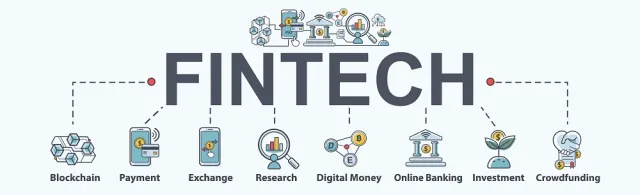
The financial technology (fintech) sector is experiencing unprecedented growth in Europe, drawing significant attention from major banks and traditional financial institutions. In 2025, fintech startups have emerged as key drivers of innovation, reshaping how banking services are delivered, payments are processed, and financial products are developed.
Rapid Growth of the European Fintech Ecosystem
Europe has become a global hub for fintech innovation, supported by a combination of favorable regulations, access to venture capital, and a strong pool of tech talent. Cities like London, Berlin, Amsterdam, and Stockholm have become centers of fintech activity, hosting startups that focus on digital payments, blockchain solutions, lending platforms, personal finance management, and AI-driven banking services.
Analysts report that investment in European fintech startups has reached record levels, with several unicorns achieving valuations exceeding $1 billion. This growth reflects the increasing demand for efficient, secure, and customer-centric financial solutions.
Why Major Banks Are Interested
Major European banks are actively seeking partnerships, investments, and acquisitions of fintech startups. Several factors explain this trend:
- Innovation and Agility
Startups bring cutting-edge technologies and innovative approaches to financial services, which traditional banks often struggle to develop in-house. Partnering with fintech firms allows banks to accelerate digital transformation and remain competitive. - Customer-Centric Solutions
Fintech startups excel at designing user-friendly platforms, mobile apps, and digital wallets that improve the customer experience. Banks aim to integrate these solutions to retain clients and attract younger, tech-savvy demographics. - Cost Efficiency
Fintech solutions often reduce operational costs through automation, AI-driven analytics, and streamlined processes. For banks, adopting these technologies translates into more efficient operations and better risk management. - Regulatory Compliance and Security
Many fintech startups specialize in compliance technology (RegTech) and cybersecurity solutions, helping banks navigate complex regulatory frameworks while safeguarding sensitive data.
Notable Collaborations and Investments
Several high-profile partnerships and investments in 2025 have highlighted the strong interest of European banks in fintech innovation:
- Digital Banking Platforms: Banks are investing in startups offering fully digital banking experiences, enabling customers to manage accounts, transfer funds, and access loans entirely online.
- Blockchain and Payment Solutions: Startups providing blockchain-based payment systems and cross-border transaction platforms have secured backing from major banks seeking faster and more transparent financial services.
- AI-Driven Lending and Risk Assessment: Some fintech firms leverage AI to enhance credit scoring, risk management, and loan approval processes, reducing defaults and improving profitability for banks.
Impact on the Banking Sector
The growing collaboration between fintech startups and banks is reshaping the financial industry in several ways:
- Accelerated Digital Transformation: Banks are adopting innovative solutions faster than ever, modernizing legacy systems and delivering seamless digital services.
- Enhanced Customer Experience: Personalized services, AI-driven insights, and intuitive interfaces improve client engagement and loyalty.
- Increased Competition and Collaboration: Traditional banks are no longer only competitors; they are also collaborators, co-developing solutions with startups to drive industry-wide innovation.
Challenges and Considerations
Despite the promise of fintech partnerships, banks must address challenges:
- Integration Complexity: Incorporating startup technologies into existing banking infrastructure can be technically challenging.
- Regulatory Compliance: Banks must ensure that new solutions comply with stringent European financial regulations, including GDPR and PSD2.
- Cultural Differences: Collaboration between agile startups and large, traditional institutions requires careful management to align priorities and work processes.
Future Outlook
The relationship between fintech startups and major European banks is expected to deepen in the coming years. Analysts predict that strategic investments, joint ventures, and acquisitions will continue to accelerate, making fintech an integral part of the European banking landscape. As technology evolves, banks that successfully leverage fintech innovation will gain a competitive edge, delivering faster, smarter, and more customer-focused services.