

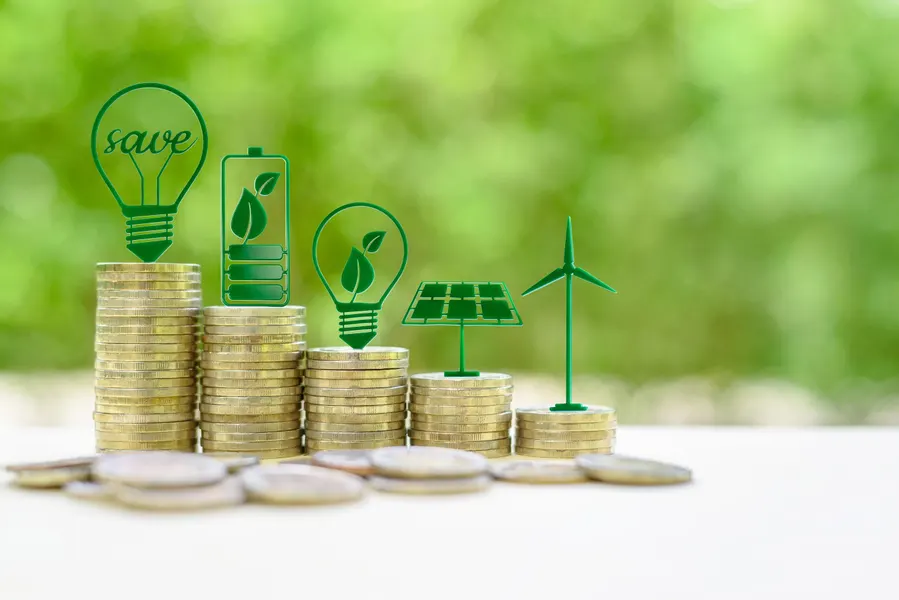
The global energy landscape is undergoing a fundamental shift, driven by the urgent need to combat climate change, rising energy demand, and advances in clean technologies. In 2025, venture capitalists (VCs) are increasingly betting on green energy startups, predicting a boom in funding, innovation, and market growth in the coming years. This trend signals a transformative period for renewable energy, sustainable solutions, and eco-friendly technologies.
The Rise of Green Energy Startups
Green energy startups focus on solutions such as solar, wind, hydrogen, energy storage, electric mobility, and energy-efficient technologies. These companies aim to reduce carbon emissions, improve energy efficiency, and create scalable solutions that address global environmental challenges.
Recent reports show that investment in green energy startups has reached record levels, with billions of dollars funneled into early-stage ventures, highlighting investor confidence in the sector’s long-term potential.
Why Venture Capitalists Are Investing
Several key factors explain why VCs are increasingly attracted to green energy startups:
- Global Demand for Clean Energy
Governments and corporations worldwide are setting ambitious net-zero and carbon-neutral targets, creating strong market demand for innovative green technologies. Startups that can deliver scalable, efficient, and cost-effective solutions are positioned for rapid growth. - Technological Advancements
Advances in energy storage, smart grids, AI-driven energy management, and next-generation solar and wind technologies make renewable energy solutions more viable and commercially competitive. VCs are eager to support companies that leverage these innovations. - Policy and Regulatory Support
Incentives, subsidies, and regulations favoring renewable energy adoption reduce financial risks for investors. Governments across Europe, North America, and Asia are promoting green energy through funding programs, tax benefits, and clean energy mandates. - Sustainable Investment Trends
ESG (Environmental, Social, and Governance) investing has become a major driver in venture capital. Investors are increasingly looking for opportunities that align with environmental responsibility while offering attractive financial returns.
Notable Areas of Investment
VCs are focusing on several key segments within green energy:
- Solar and Wind Technologies: Startups developing high-efficiency solar panels, floating wind turbines, and modular renewable solutions.
- Energy Storage and Batteries: Companies creating advanced storage systems, including lithium-ion alternatives, solid-state batteries, and grid-scale storage solutions.
- Hydrogen and Alternative Fuels: Ventures exploring green hydrogen production, biofuels, and carbon-neutral energy sources.
- Electric Mobility: Startups providing electric vehicle infrastructure, battery-swapping solutions, and fleet electrification.
- Smart Energy Management: AI-powered platforms that optimize energy consumption for homes, industries, and cities.
Impact on the Energy Sector
The influx of venture capital into green energy startups is expected to accelerate the adoption of renewable energy, foster innovation, and create new business models. Key impacts include:
- Faster Technological Development: Increased funding accelerates R&D, bringing cutting-edge technologies to market sooner.
- Market Disruption: Traditional energy providers may face competition from agile startups offering innovative, cost-effective solutions.
- Global Collaboration: Cross-border investments and partnerships enable knowledge transfer and scaling of renewable technologies.
- Economic Growth: Green energy startups create jobs, stimulate local economies, and attract additional investment in sustainable industries.
Challenges and Considerations
Despite the promising outlook, green energy startups face challenges:
- High Capital Requirements: Large-scale renewable projects often require substantial upfront investment.
- Regulatory and Policy Uncertainty: Changes in government policy or incentives can affect profitability and market growth.
- Technological Risks: Emerging technologies may face technical or scalability hurdles before achieving commercial viability.
- Market Competition: As more startups enter the space, competition for funding, talent, and market share intensifies.
Future Outlook
Venture capitalists predict that the next five years will be transformative for green energy startups. Funding levels are expected to rise sharply, with early-stage and growth-stage companies receiving record investments. This boom will likely reshape the global energy landscape, drive technological innovation, and accelerate the transition toward a sustainable, low-carbon economy.
Investors and entrepreneurs who align with environmental goals while focusing on scalability, efficiency, and innovation are likely to lead the next wave of energy transformation.